Gas vs Electric Dryer Repair in Cedar Rapids
Gas vs Electric Dryer Repair in Cedar Rapids: What’s the Difference?
Gas and electric dryers do the same job, tumble your clothes through heated air, but under the panels they fail in different ways and need different parts. Knowing which type you have, and how the two differ, helps you understand what’s wrong and what a repair should involve. This guide from a local Cedar Rapids technician breaks down the real differences, the common failures for each, and when to call for help.
Not sure whether your dryer is gas or electric, or already know it’s stopped heating? Call (319) 732-0047, we repair both types, same day, across Cedar Rapids and Linn County. For gas-specific service, see our gas dryer repair page.
The Core Difference: How They Make Heat
Everything else about the two dryers is nearly identical, the drum, the belt, the rollers, the motor, the blower, and the venting all work the same way. The one big difference is how they generate heat.
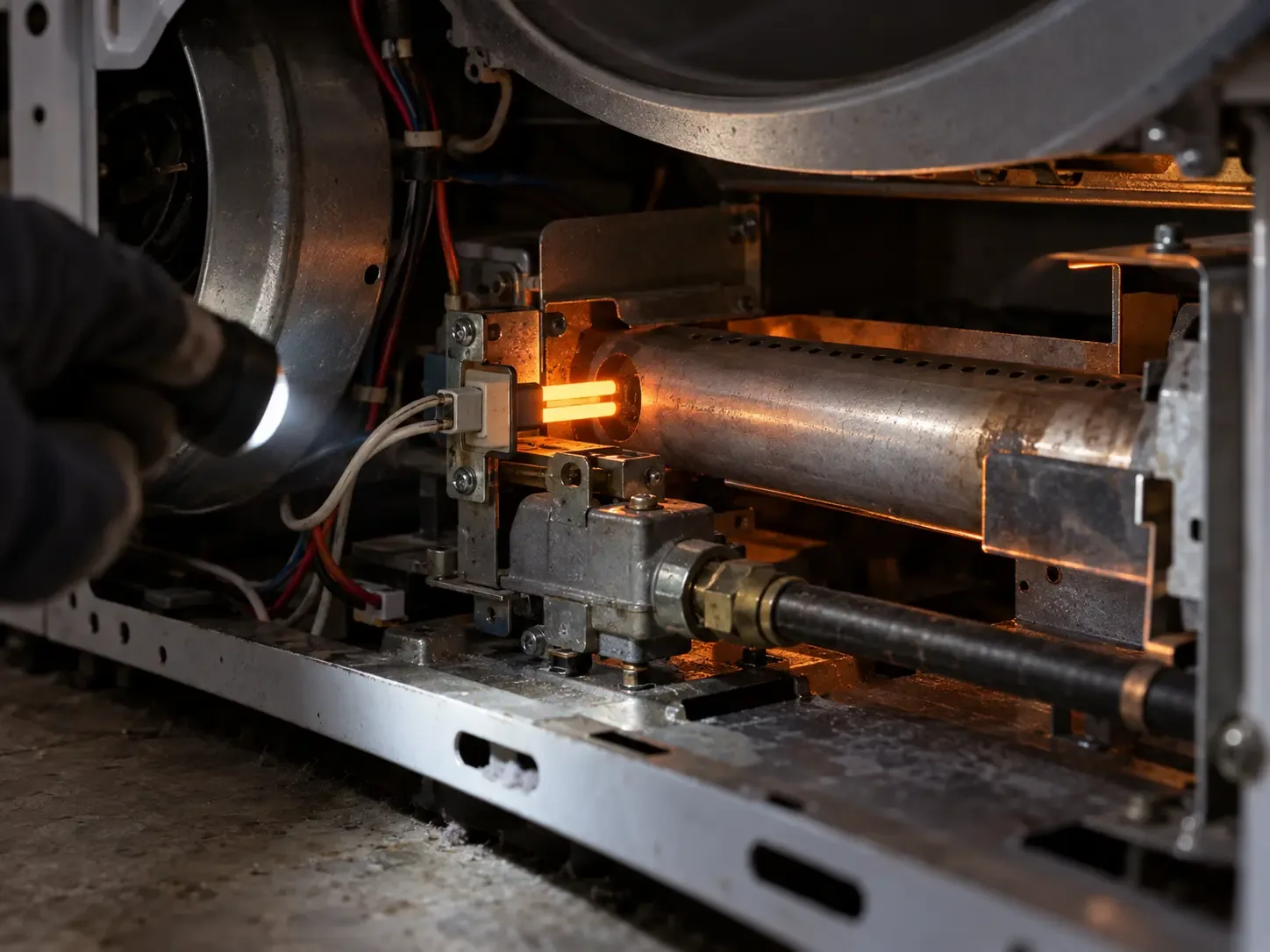
An electric dryer heats air with a heating element, a coil that glows hot when it receives 240 volts across two legs of electricity. A gas dryer burns natural gas or propane. It uses an igniter to light the gas, a gas valve with solenoid coils to control the flow, and a flame sensor to confirm the burner lit. Gas dryers still need electricity, but only 120 volts to run the motor, controls, and igniter, not the 240 volts an electric dryer’s element demands.
That single difference, heating element versus gas burner, is where almost all the repair differences come from.
Common Electric Dryer Failures
When an electric dryer stops heating, the suspects are the electric heating components:
- Heating element. The coil can short out or break, killing the heat entirely.
- Thermal fuse. Blows on overheat, usually from restricted airflow, and cuts the heat (or the whole machine).
- Cycling and high-limit thermostats. Regulate temperature; a failure can leave the dryer cold.
- Lost leg of voltage. An electric dryer needs both 120-volt legs for heat. Lose one at the breaker and the drum still spins while the air stays cold.
Our dryer not heating page covers the electric no-heat diagnosis in full, and our thermal fuse guide digs into that specific part.
Common Gas Dryer Failures
A gas dryer that won’t heat usually has a problem in the burner assembly rather than a heating element:
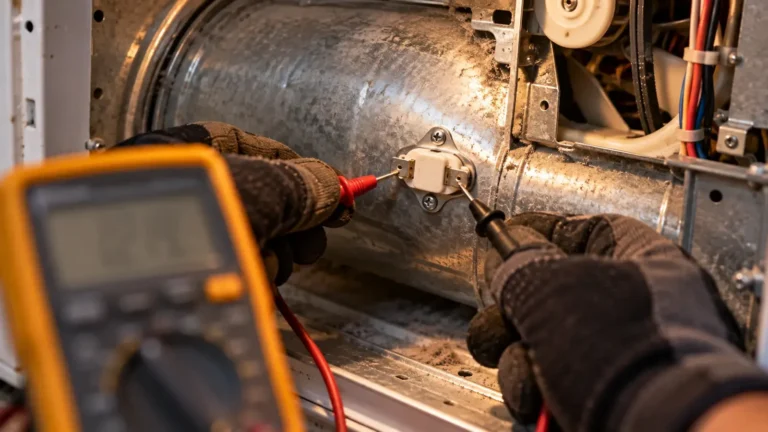
- Igniter. The most common gas dryer failure. The igniter cracks or burns out and can no longer light the gas. It’s a fragile part, easy to break if bumped, and tests open on a meter when it’s failed.
- Gas valve solenoid coils. These open the valve to release gas. When a coil fails, the igniter may glow but the gas never flows, so there’s no flame.
- Flame sensor. Detects the burner flame. A bad sensor can prevent the burner from firing or staying lit.
- Thermal fuse and thermostats. Gas dryers have these too, and they fail the same way for the same airflow reasons.
A classic gas no-heat call: the dryer runs and tumbles, but the burner never fires because the igniter has cracked and shows no continuity. We replace the igniter, confirm the gas valve solenoids open, and verify the burner lights correctly. Full detail is on our gas dryer repair page.
What’s Identical on Both Dryers
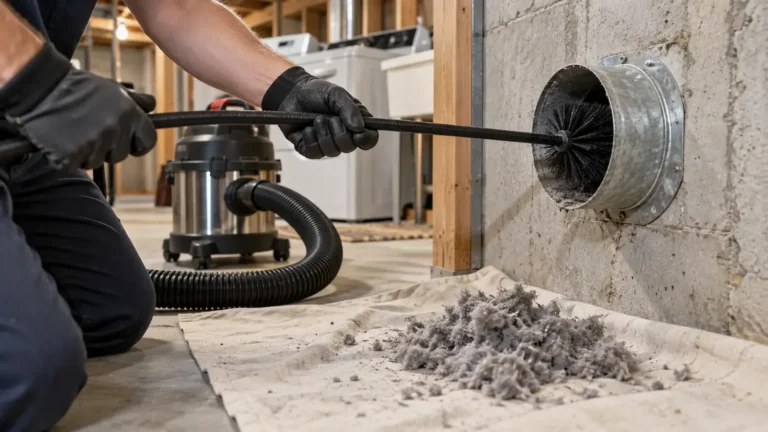
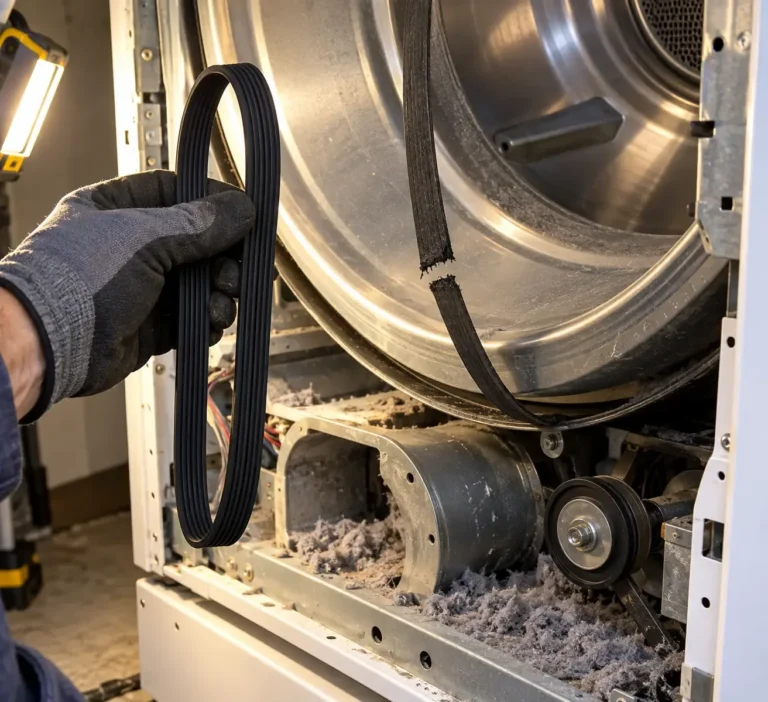
Because gas and electric dryers share everything but the heat source, the mechanical failures are exactly the same on both. A broken drive belt, worn drum rollers, a failed bearing, a bad idler pulley, or a clogged vent behaves identically whether your dryer runs on gas or electricity. If your dryer won’t spin, or it’s making noise, or clothes take too long to dry, the fuel type doesn’t change the diagnosis. See our pages on dryer making noise and dryer vent cleaning, both apply to gas and electric alike.
A Safety Note on Gas Dryers
One real difference: gas dryers involve a fuel line, so safety matters more. If you ever smell gas near your dryer, stop using it immediately and contact your gas utility. Gas dryer repairs, igniters, valve coils, flame sensors, are best left to a technician who can test the components properly and confirm the burner is firing safely. This is one area where DIY carries more risk than it’s worth.
Repair Costs: Gas vs Electric in Cedar Rapids
Costs are broadly similar between the two. An electric heating element runs $120 to $200. A gas igniter runs $100 to $180. A thermal fuse on either type runs $85 to $130. Shared mechanical repairs, belts, rollers, bearings, cost the same regardless of fuel type. In other words, neither gas nor electric is dramatically more expensive to repair; it just depends on which part failed. If you’re deciding whether to fix or replace an aging unit of either type, our repair or replace guide lays out the rule of thumb.
We Repair Both, Same Day in Cedar Rapids
Whether your dryer runs on gas or electricity, we carry the right parts and know the right tests. We diagnose the exact cause, quote you before any work, and get your laundry room running again the same day.
Call (319) 732-0047, Monday through Saturday, 8 AM to 6 PM. Gas and electric dryer repair across Cedar Rapids, Marion, Hiawatha, and all of Linn County. Upfront pricing, 90-day parts-and-labor warranty.