How to Tell if Your Dryer’s Thermal Fuse Is Blown
How to Tell if Your Dryer’s Thermal Fuse Is Blown
If your dryer suddenly stopped heating, or stopped running altogether, there’s a good chance a small, cheap part called the thermal fuse is the culprit. It’s one of the most common dryer failures we see in Cedar Rapids, especially in winter, and the good news is it’s also one of the most affordable to fix. This guide walks you through what the thermal fuse does, the exact symptoms of a blown one, how a technician tests it, and why it blew in the first place.
If you’d rather skip the reading and get it fixed today, call (319) 732-0047, we carry thermal fuses for every major brand on the van and offer same-day service across Cedar Rapids and Linn County.
What a Thermal Fuse Actually Does
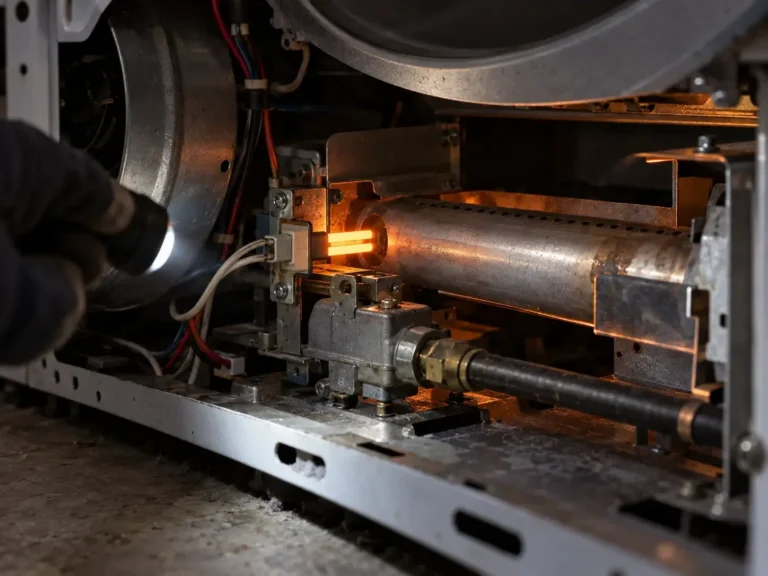
The thermal fuse is a safety device, plain and simple. It sits on the blower housing or the heater housing and constantly monitors temperature. If the dryer ever overheats, usually because airflow is blocked, the thermal fuse blows and cuts the electrical circuit. That shutdown protects your dryer, and your home, from a fire.
The key thing to understand is that a thermal fuse does not reset. A thermostat clicks off when things get too hot and clicks back on when they cool. A thermal fuse is one-and-done: once it blows, it stays open forever until someone physically replaces it. That’s by design, it’s a last line of defense, not a repeatable switch.
The Symptoms of a Blown Thermal Fuse
What a blown thermal fuse looks like depends on your dryer’s wiring. There are two common patterns:
- The dryer runs but won’t heat. The drum spins, the motor sounds normal, but clothes come out cold and damp. This happens when the blown fuse is on the heater circuit, the motor still gets power on one leg, but the heating element is cut off.
- The dryer is completely dead. Nothing happens when you press start, no tumbling, no hum, no lights. On some models the thermal fuse is wired so that when it blows, it kills the whole machine, not just the heat.
If your dryer runs but blows cold air, the thermal fuse is one of four parts we test, along with the cycling thermostat, the high-limit thermostat, and the heating element itself. Our dryer not heating page covers that full diagnostic. If your dryer is completely dead, the thermal fuse shares the suspect list with the door switch and the house breaker, see our dryer won’t start page.
How a Technician Tests the Thermal Fuse
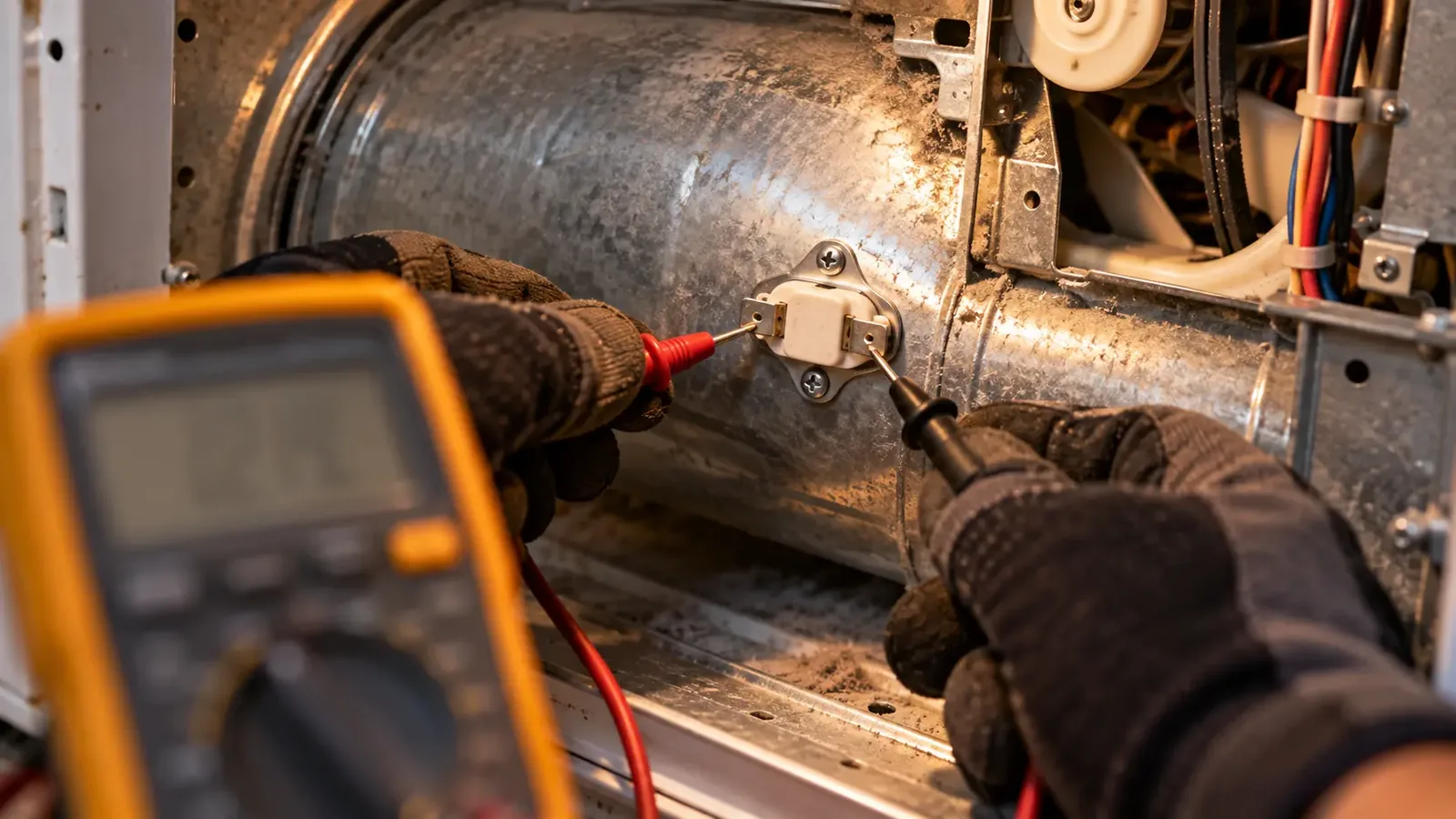
Testing a thermal fuse takes about a minute with the right tool, and it removes all the guesswork. Here’s exactly how it’s done:
- Disconnect the power. Unplug the dryer or shut off the breaker. Never test a live circuit.
- Locate the fuse. It’s a small plastic-bodied part with two wires, mounted on the blower housing or heater housing depending on the model.
- Set a multimeter to the ohm setting, the lowest resistance range.
- Touch one probe to each terminal. A good fuse shows continuity, a low resistance reading, near zero. A blown fuse reads open, which shows as a “1” or “OL” (infinite) on the meter.
That’s the whole test. If the meter reads open, the fuse is blown and must be replaced. There’s no repairing a thermal fuse, it’s a one-dollar-to-fifteen-dollar part that either passes current or it doesn’t. This is exactly the kind of test that separates an honest diagnosis from a guess: we prove the part is bad before we quote you to replace it.
The Most Important Part: Why It Blew
Here’s where a lot of repairs go wrong. A thermal fuse doesn’t blow for no reason, it blows because the dryer overheated. And the number-one cause of overheating is restricted airflow. If a technician just swaps the fuse and leaves without fixing the airflow problem, the new fuse will blow too, sometimes within days.
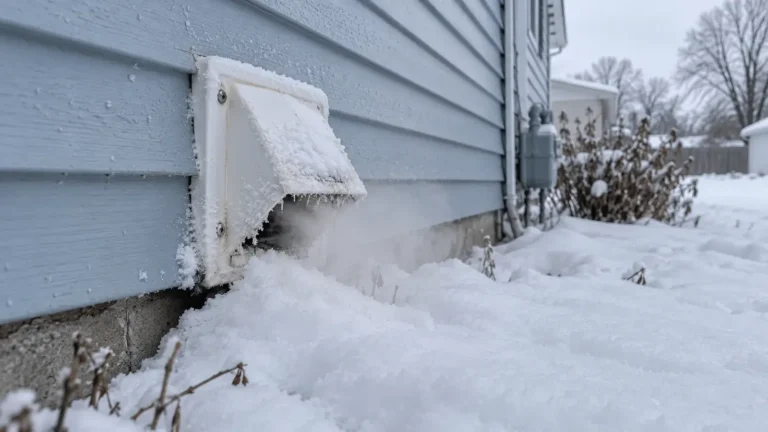
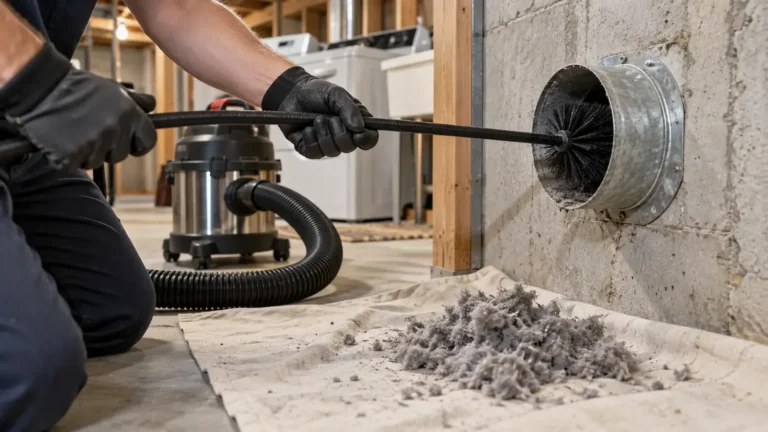
The usual airflow culprits are a clogged exhaust vent packed with lint, a frozen or blocked exterior vent cap (a big one in Cedar Rapids winters), or a lint screen that never gets cleaned. That’s why, when we replace a thermal fuse, we clean the vent on the same visit. Fixing the cause is the only way to make the repair stick. You can read more about the winter connection on our Iowa winters guide, and about airflow maintenance on our dryer vent cleaning page.
Can You Replace a Thermal Fuse Yourself?
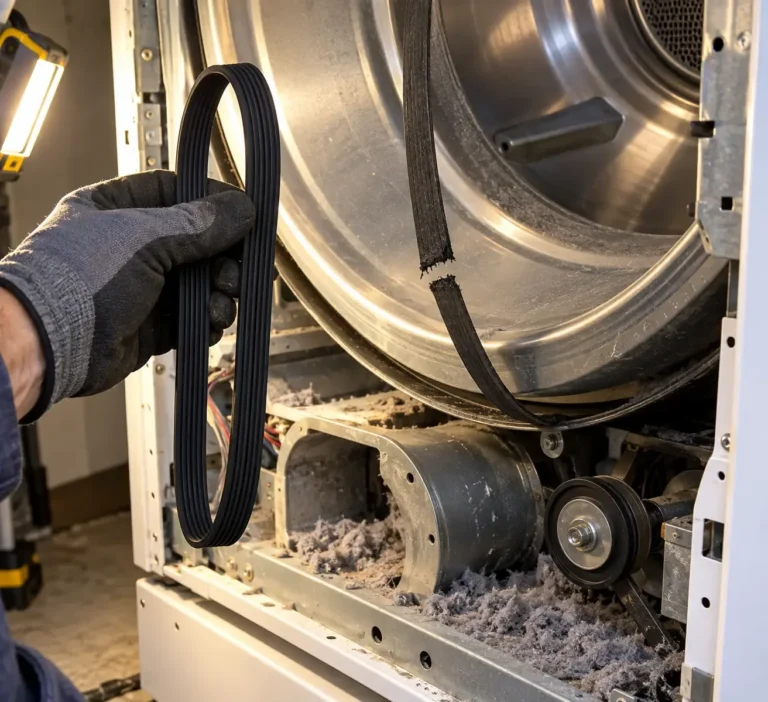
A handy homeowner can replace a thermal fuse, it’s two wires and usually one screw. But two cautions. First, if you replace the fuse without finding and fixing why it blew, you’ll be doing it again shortly. Second, the fuse blowing may have been triggered by a deeper airflow or thermostat issue that needs proper diagnosis. If you’re comfortable pulling the back or front panel, testing with a meter, and clearing the full vent run, it’s a doable job. If any of that sounds like more than you want to take on, that’s exactly what we’re here for.
What Thermal Fuse Repair Costs in Cedar Rapids
A thermal fuse replacement in Cedar Rapids typically runs $85 to $130, including the part, the labor, and testing the related components to make sure the fuse is the only problem. When we clear the vent on the same visit, which we recommend, since a clogged vent is usually what blew the fuse, you avoid a repeat failure and a second service call. It’s one of the most affordable dryer repairs there is, and almost always worth doing rather than replacing the machine. If you’re weighing that decision, our repair or replace guide lays out the numbers.
Get It Diagnosed Today
If your dryer quit heating or went completely dead, don’t assume the worst. A blown thermal fuse is common, cheap, and fast to fix, and we’ll prove it’s the problem with a meter before we charge you a dime for the repair. We come to your Cedar Rapids home the same day, carry the fuse for your brand, and clean the vent so it doesn’t happen again.
Call (319) 732-0047, Monday through Saturday, 8 AM to 6 PM. Same-day dryer repair across Cedar Rapids, Marion, Hiawatha, and all of Linn County. Upfront pricing, 90-day parts-and-labor warranty.